
Introduction
The Dolly Parton Lunch-Debt Story Going Viral — and Why It Hits America's Heart So Hard
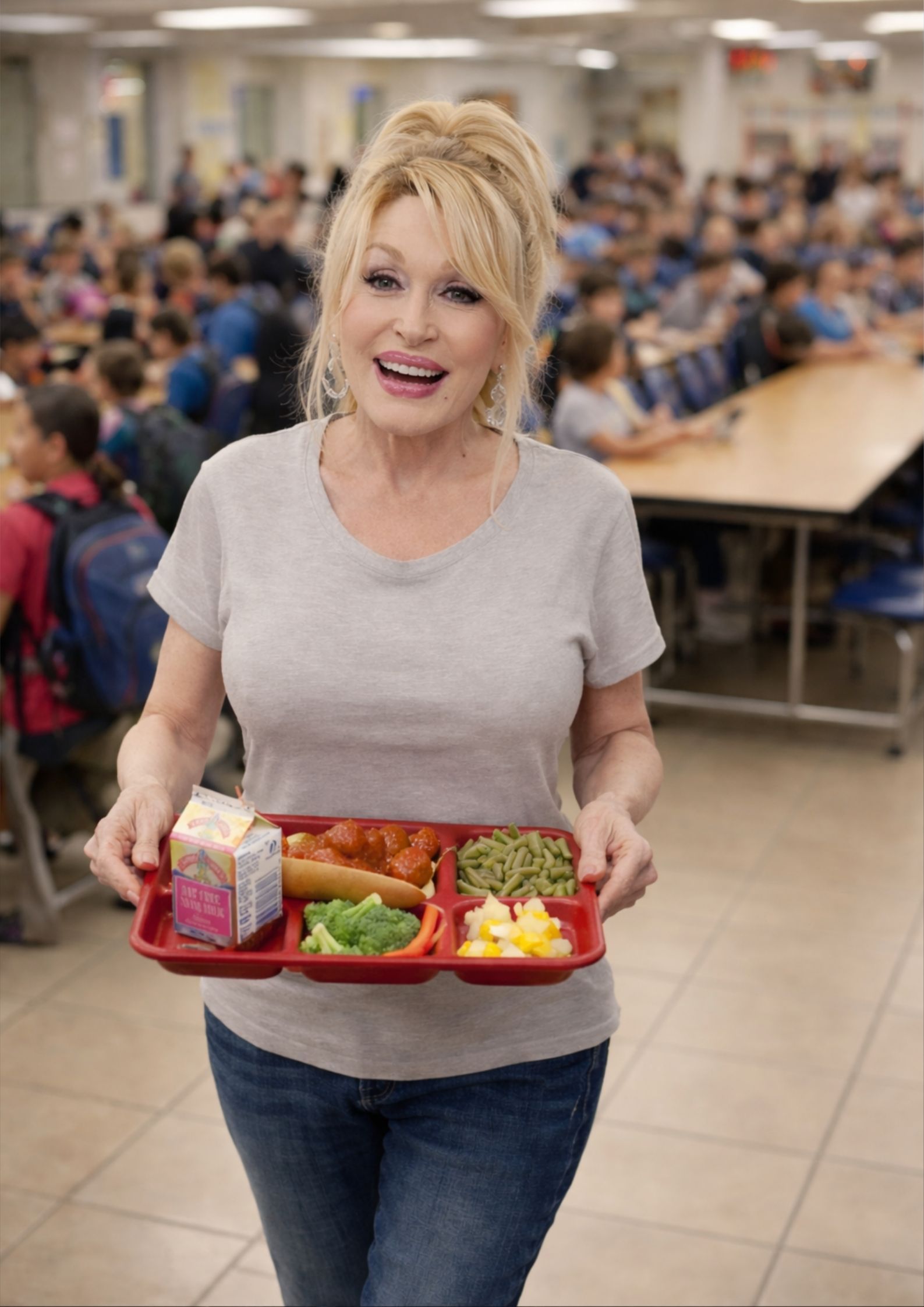
This week, a headline has been racing across Facebook feeds and comment threads with the kind of emotional force that makes people stop scrolling: Dolly Parton "erased $667,000 in school lunch debt across 103 schools." In the posts, the story is told like a quiet miracle—no spotlight, no press tour, just a sudden, merciful relief landing in cafeterias where children have been carrying a burden they were never meant to understand.
Before we go any further, it's worth saying clearly: I could not find reliable, independently verified reporting confirming the specific figure ($667,000) or the "103 schools nationwide" detail. The claim appears to be circulating largely through viral social media posts rather than established news outlets.
And yet—here's the part that matters—people aren't sharing it because they love rumors. They're sharing it because the need behind it is real, and because Dolly Parton's lifelong pattern of generosity makes the story feel believable in the first place.
Dolly has built a reputation not only as a performer, but as someone who repeatedly turns success into practical kindness. Over the years, major outlets have documented her philanthropy—from funding educational initiatives to disaster relief and medical research. TIME, for example, highlights her long record of giving, including significant donations connected to vaccine research and major relief efforts. And local reporting continues to show her putting large sums into community help, especially in Tennessee.
So when people read a line like, "A victory greater than any stage," it lands with a kind of emotional credibility—even if the exact numbers are still unproven.
Because the deeper truth is this: school lunch debt has become a quiet American ache.
It's not the kind of crisis that always makes national headlines. It's smaller than politics and bigger than pride. It shows up in the smallest humiliations: a child who suddenly "isn't hungry," a student who stops going through the line, a parent who can't sleep because a balance keeps growing while the rent and gas and groceries climb. Teachers and cafeteria workers see it up close—how quickly shame can steal a child's focus, and how easily hunger can disguise itself as misbehavior, sadness, or distance.
That's why this viral story hits older Americans so hard.
If you're over 60, you likely remember a time when a school lunch felt like a simple promise: you show up, you learn, you eat, you go home. The idea that children might carry debt—like adults—feels like something fundamentally backward. And it touches a nerve many grandparents recognize: you can't build a future on an empty stomach.
Whether or not Dolly truly cleared that exact dollar amount in that exact number of schools, the story is essentially a parable about what we wish were more common: quiet mercy arriving without conditions.
And it also points to something else we should talk about honestly: why "quiet giving" matters. In a culture that often rewards attention over impact, the most powerful generosity can look almost ordinary. A paid-off balance. A relieved phone call. A cafeteria line that feels normal again. No cameras. Just dignity restored.
If you saw that headline and felt tears in your eyes, you're not alone. But here's a good next step—one that honors both your heart and your wisdom:
-
If you want to share the story, consider adding a simple note: "I hope this is true—either way, lunch debt is real, and kids deserve better."
-
If you're moved to act, check whether your local district has a lunch assistance fund, or whether a community organization supports families with meal costs.
And I'd love to ask you—because this is where readers over 60 bring the deepest perspective:
Do you remember a time when a neighbor's kindness changed a child's life in a quiet way?
And if you could erase one burden for today's kids, what would it be—meals, books, or simply the feeling of being safe?
Sometimes a viral story is less about what happened in one moment… and more about what America is aching to see happen again: compassion that shows up, pays the bill, and lets a child breathe.