

Introduction
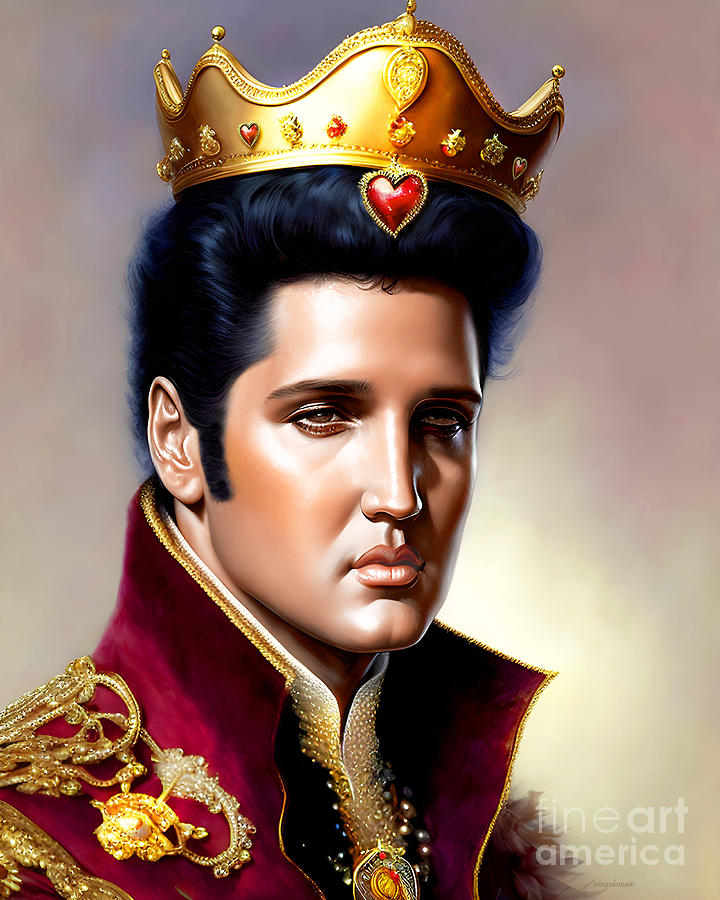
Elvis Presley: The Life That Carried Both Silence and Song
On a cold January day in 1935, in the small town of Tupelo, Elvis Presley entered the world under circumstances that would quietly shape the course of his life. He was not meant to be born alone. His identical twin brother, Jesse Garon Presley, was stillborn—a loss that left behind not only grief, but a silence that would linger in the Presley household for years to come.
It is difficult to measure how such a beginning shapes a life. Yet for those who have known both love and loss, there is an understanding that some stories begin with a deeper weight. For Elvis's mother, Gladys Presley, her surviving son was not simply a child. He was a gift preserved against the odds—a life to be held close, guarded with tenderness, and cherished with a devotion that came from both gratitude and sorrow.
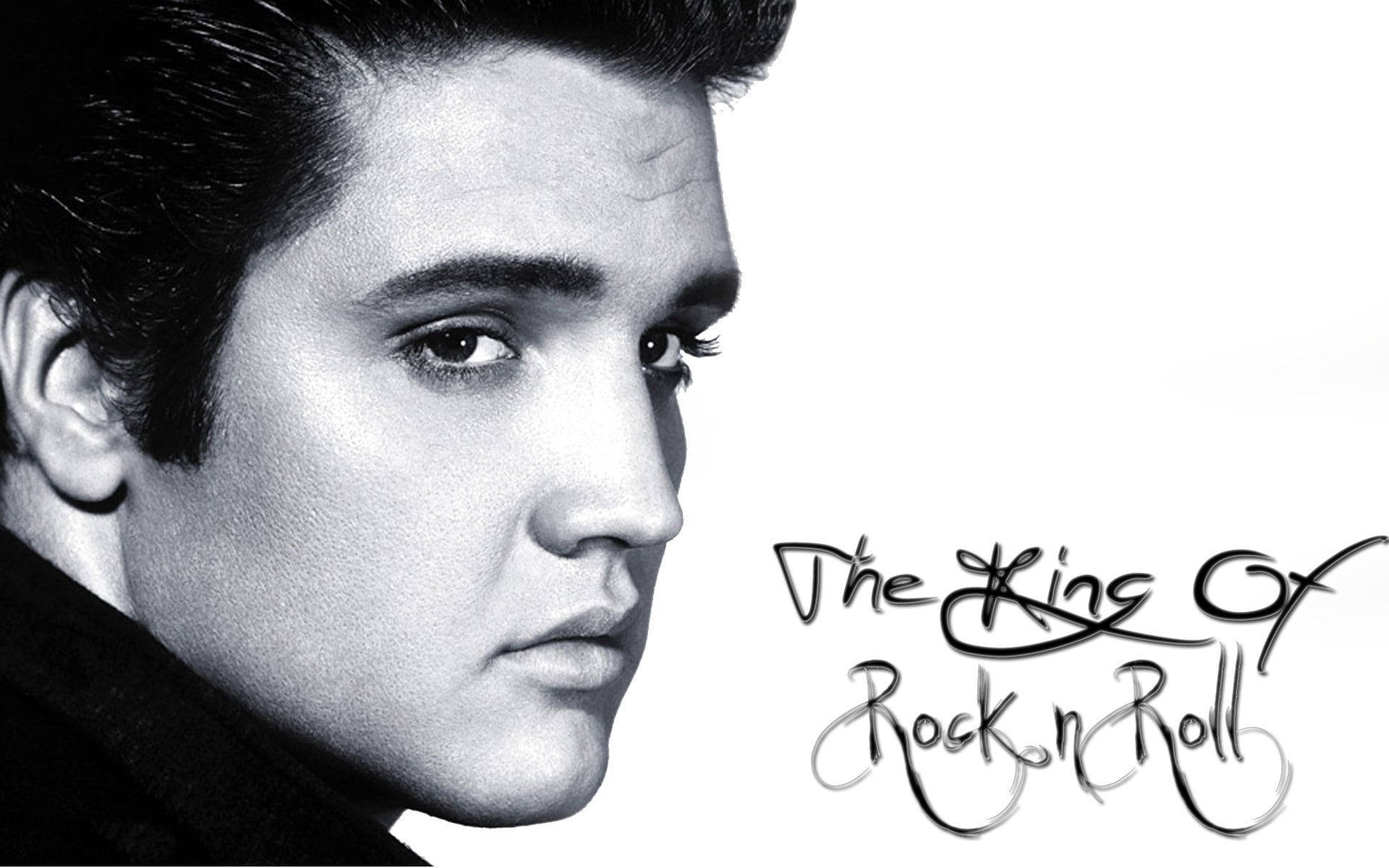
That bond between mother and son would become one of the defining forces in Elvis's life.
As he grew, those who encountered him often noticed something unusual—something that set him apart in ways difficult to explain. There was a sensitivity in him, a quiet awareness of emotion that seemed to run deeper than most. It revealed itself not only in his music, but in his presence. He listened intently. He felt deeply. And when he sang, it was never just sound—it was something closer to truth.
In time, that truth would find its way into the hearts of millions.
From humble beginnings, Elvis rose to become one of the most influential figures in modern music. His voice, unmistakable and rich with feeling, bridged worlds—blending gospel, blues, and country into something entirely new. For many older listeners who remember those early days, his arrival was not just exciting; it was transformative.
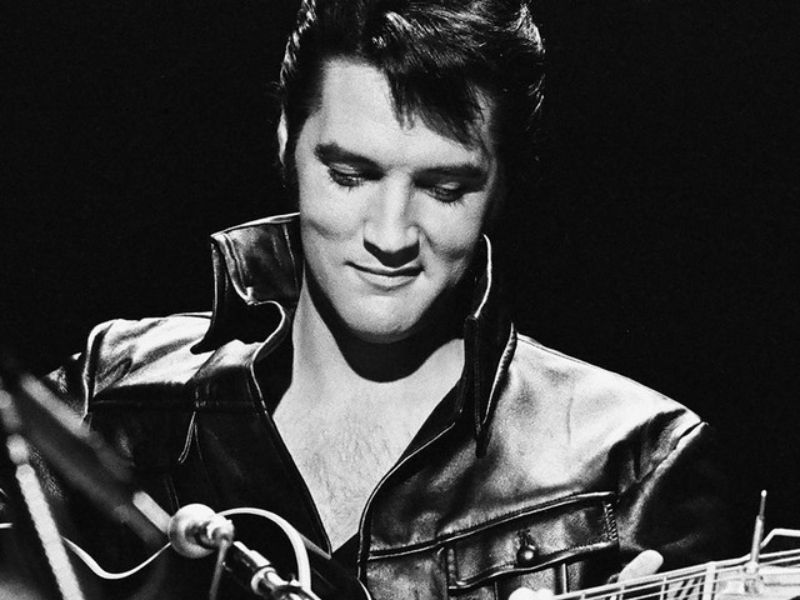
He did not merely perform songs.
He lived them.
And in doing so, he gave voice to emotions that many struggled to express—the longing, the hope, the quiet ache of everyday life. Whether through a tender ballad or an electrifying performance, Elvis created a connection that felt deeply personal. It was as though he was singing not just to an audience, but to each individual listener.
Of course, like all men, he was not without his struggles.
Those who knew him best understood that his life was marked by both strength and vulnerability. Fame, while bringing opportunity, also brought pressure—expectations that few could fully comprehend. Elvis never claimed perfection, nor did he attempt to present himself as something he was not.
And perhaps that is why he resonated so strongly.
Because beneath the fame, beneath the bright lights and roaring crowds, there remained something profoundly human.
He held onto his faith. He gave generously, often in quiet ways that escaped public attention. Stories of his kindness—helping strangers, supporting those in need—circulated not as headlines, but as memories shared by those whose lives he had touched.
For Elvis, success was never solely about recognition.
It was about giving.
Over the course of his career, he would sell more than a billion records worldwide, star in numerous films, and forever alter the landscape of entertainment. His influence reached far beyond music, shaping culture in ways that continue to be felt today. Yet even with such extraordinary achievements, it is often the simpler aspects of his life that linger most powerfully in memory.
A voice filled with emotion.
A gesture of kindness.
A moment of connection.
When Elvis passed away in 1977 at the age of 42, the world felt the loss immediately. For those who had grown up with his music—for those who had found comfort in his voice—it was more than the passing of a celebrity.
It was the loss of something familiar.
Something steady.
Something deeply felt.
And yet, as time has shown, not all things are lost when a life ends.
There is a quiet comfort in what remains.
Elvis's music continues to play, not only on old records cherished by longtime fans, but in the ears of new generations discovering him for the first time. His voice, preserved in time, carries the same emotion it always did—unchanged, unbroken, enduring.
For many older readers, there is a special kind of understanding in this. The recognition that while people may leave us, what they give—their kindness, their art, their spirit—does not disappear. It stays, woven into memory, into culture, into the lives they touched.
Elvis Presley was, in many ways, a man shaped by both presence and absence.
A life that began with loss.
A career that brought immeasurable connection.
A legacy that continues to grow, even decades after his passing.
As long as his songs are heard, as long as his story is remembered, he remains with us—not in the way he once was, but in a way perhaps just as meaningful.
Because some voices do not fade.
They simply become part of who we are.
And in that sense, Elvis Presley is never truly gone.
Video