
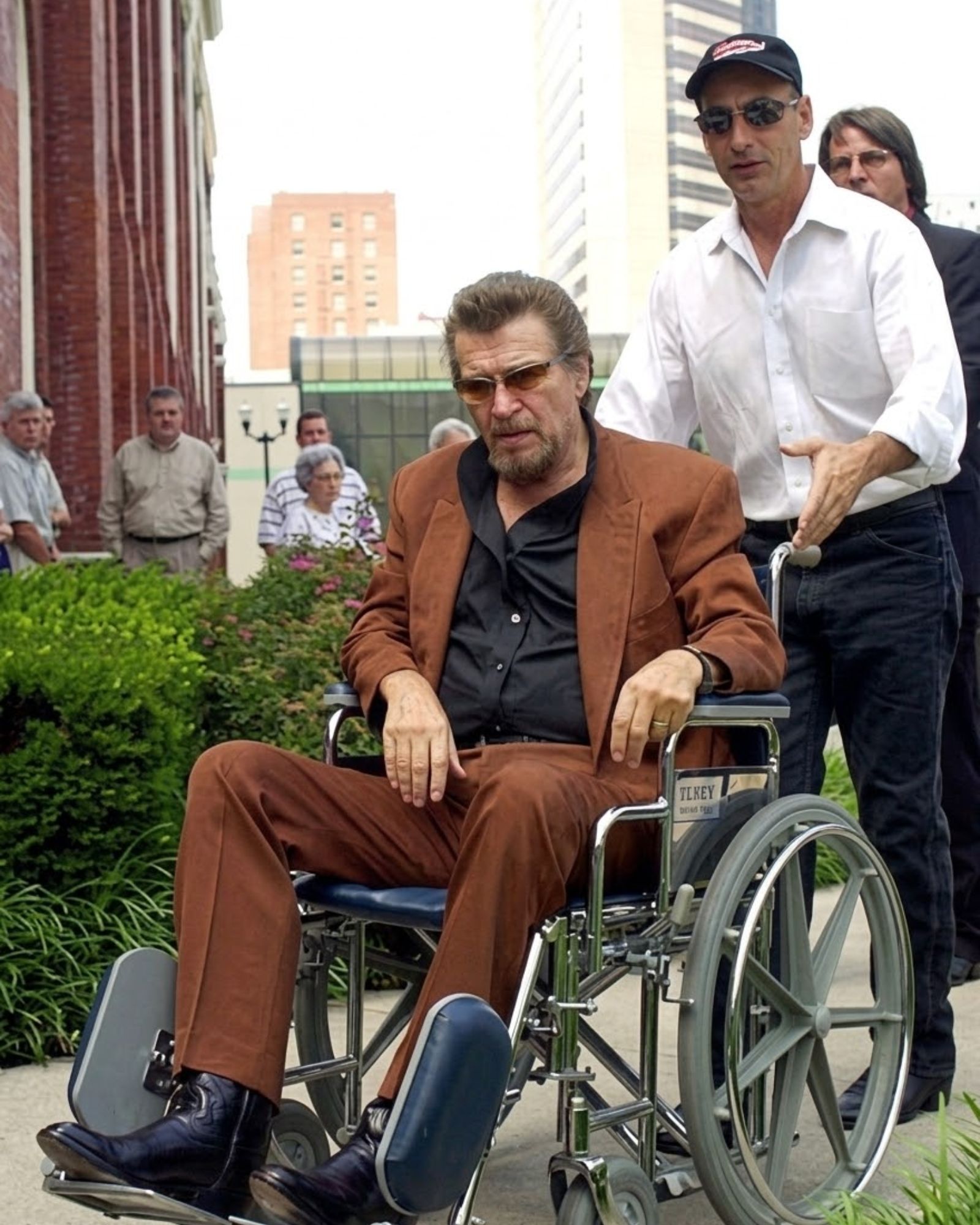
When Waylon Jennings walked away from the Nashville system, it didn't just look like rebellion—it felt like a turning point. In an industry built on polished expectations and controlled sound, Waylon Jennings chose something different. Something riskier.
"I just wanted to do it my way."
And for a while, it looked like that was enough.
Over the course of his career, Waylon Jennings released more than 20 albums, carving out a sound that didn't belong to anyone else. It was raw, unfiltered, and unmistakably his. Fans didn't just listen—they believed. They heard the outlaw spirit in every lyric, every note that refused to be softened for radio.
It became more than music. It became identity.
The Freedom Everyone Saw
To the world, Waylon Jennings was the man who broke the mold. He stepped outside the system and built something that felt honest. Real. Untamed.
The outlaw image wasn't manufactured—it was lived. Long tours. Endless highways. A voice that carried both defiance and calm certainty.
From the outside, it looked like freedom had finally been won.
But freedom, especially the kind you fight for, rarely stays simple.
The Weight No One Talked About
"The stage was the easy part… it was everything after that."
Behind the spotlight, there was a different story unfolding. The kind that doesn't get recorded or replayed. The kind that doesn't fit into a three-minute song.
The pressure didn't disappear when Waylon Jennings left the system—it changed shape. Independence meant control, but it also meant carrying everything on his own shoulders. Every decision. Every risk. Every consequence.
And the road didn't slow down.
Miles turned into years. Performances blurred into one another. The same freedom that once felt like escape slowly became something heavier—something constant.
Because when you choose your own path, there's no one else to blame when it gets difficult.
The Battle That Followed Him Offstage
Fans saw the legend. The voice. The presence that could fill a room before he even sang a word.
But what they didn't see were the moments in between—the silence after the applause, the weight that didn't fade when the lights went out.
Freedom, for Waylon Jennings, wasn't a single decision. It was something he had to keep choosing, over and over again.
And that choice came with a cost.
Because the same independence that gave him everything also demanded everything in return.
A Legacy That Feels Different When You Look Closer
Today, Waylon Jennings is remembered as one of country music's defining voices—a man who refused to be shaped by anyone else's expectations.
And that part of the story is true.
But there's another layer beneath it. A quieter one. A more complicated one.
Because staying free isn't just about walking away once. It's about what happens after. It's about the days when the choice feels heavier than it did at the beginning.
It's about carrying that identity, even when it stops feeling like freedom.
We celebrate the independence. The courage. The sound that changed everything.
But maybe the real story isn't just that Waylon Jennings broke free.
Maybe it's that he spent the rest of his life holding onto something that never stopped testing him.
"Freedom isn't something you win once… it's something you have to keep."
And when you look at it that way, the question doesn't get simpler.
It gets heavier.
Was that freedom really his greatest victory… or the fight that never truly let him rest?