
Introduction
The Whisper That Refuses to Die: Why the Bob Joyce–Elvis Rumor Still Captivates America
Few names in American culture carry the emotional power of Elvis Presley. Nearly half a century after his death, his voice still lives in living rooms, classic radio stations, and the memories of generations who grew up with him. For many older Americans, Elvis was never merely a singer. He was youth itself—Saturday nights, first dances, family road trips, and the soundtrack of a changing nation.
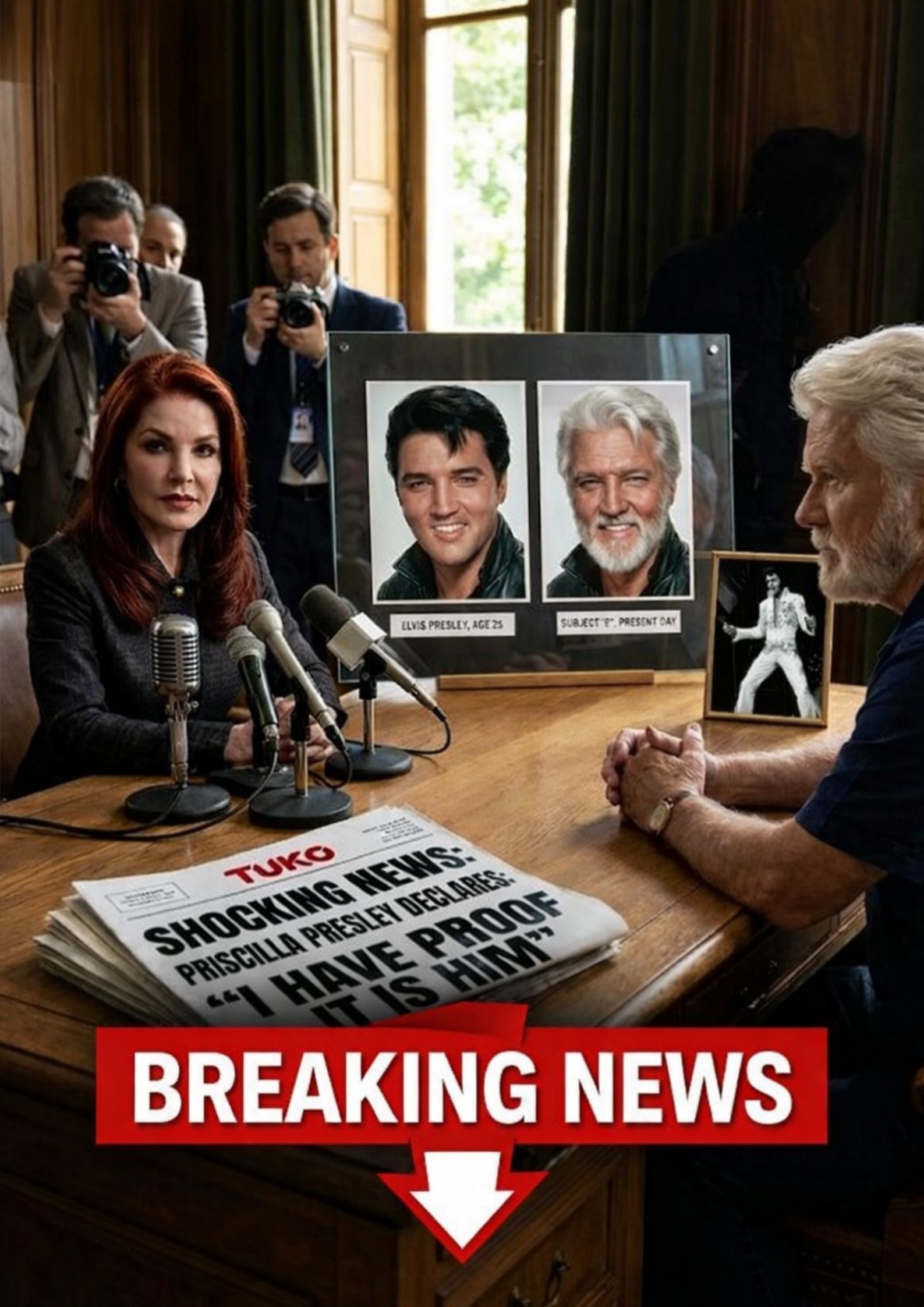
That is why a headline involving Priscilla Presley and a shocking claim about pastor Bob Joyce has once again stirred such deep emotion online.
The internet has recently been flooded with sensational posts claiming that Priscilla Presley allegedly declared, "Bob Joyce is actually my former husband, Elvis Presley." The claim spread rapidly across social media, fan pages, and viral videos, reigniting one of the most enduring conspiracy theories in popular culture.
But before emotion overtakes reason, it is important to separate nostalgia from fact.
There is no verified evidence whatsoever that Priscilla Presley made such a statement. In fact, reliable sources and historical records continue to confirm that Elvis Presley died on August 16, 1977, at Graceland.
Even more directly, the long-running rumor that Bob Joyce is secretly Elvis has repeatedly been identified as a conspiracy theory with no factual basis. One widely cited reference on Elvis death rumors specifically notes that the Bob Joyce theory persists online despite the clear age discrepancy and lack of credible evidence.
Yet facts alone do not explain why this story continues to touch such a nerve.
The reason lies somewhere deeper—in memory, grief, and the enduring power of legends.
For decades, whispers have followed Elvis's passing. Some fans never fully accepted that "The King" was gone. From alleged sightings in airports to rumors that he had quietly escaped fame, the mythology surrounding Elvis has become almost as famous as the man himself.
The Bob Joyce theory is one of the most persistent of these stories.
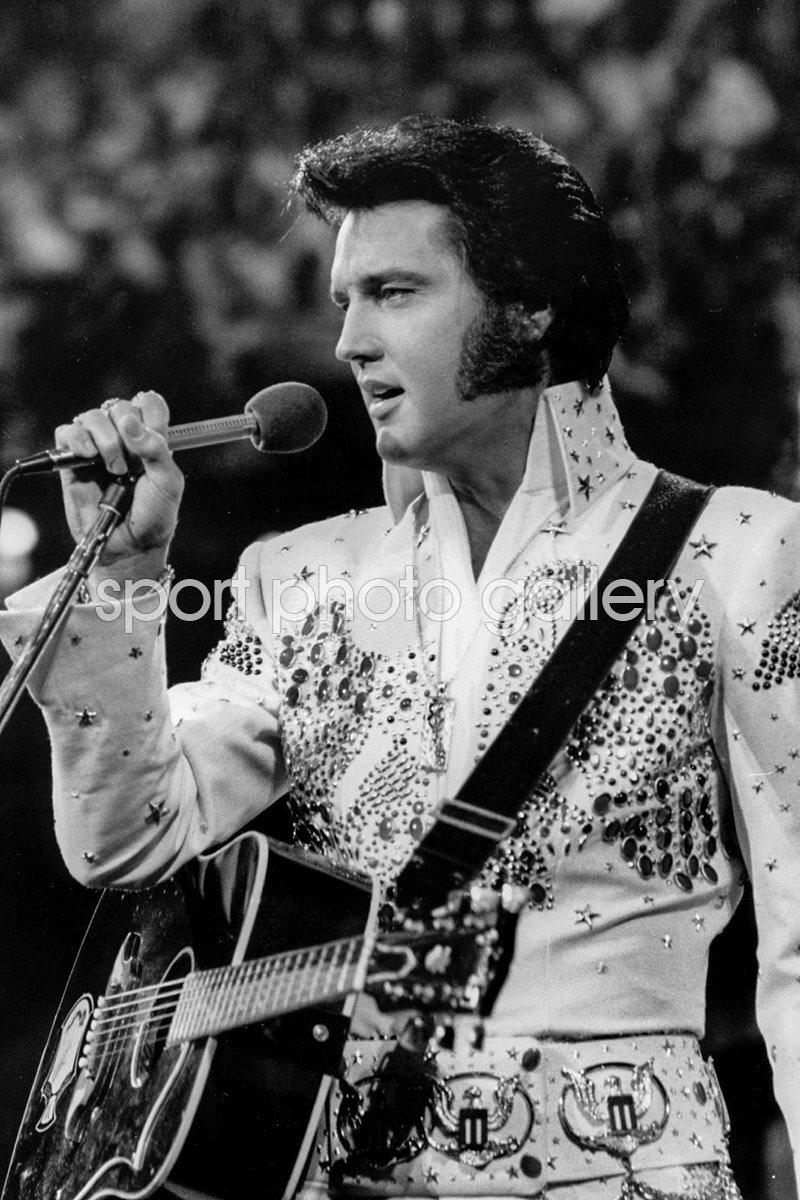
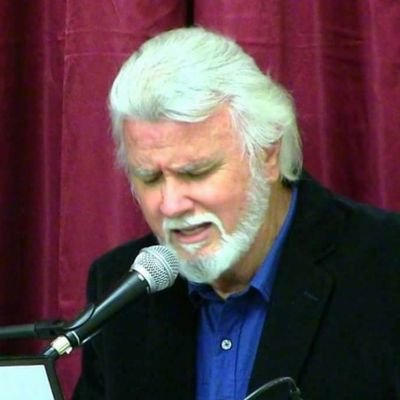
Supporters point to similarities in voice, facial expressions, and mannerisms. Videos comparing Joyce's sermons to Elvis's vocal tone continue to circulate, often accompanied by emotional captions and side-by-side images.
For some, it feels less like evidence and more like hope.
Hope that icons do not truly disappear.
Hope that the voice which once defined an era still exists somewhere beyond the spotlight.
Hope that one of America's greatest cultural figures somehow found a quiet second life.
That emotional pull is powerful, especially for readers who lived through Elvis's rise in the 1950s, his military service, his Las Vegas years, and the heartbreaking shock of 1977.
Still, truth matters.
Priscilla Presley herself has spent decades protecting Elvis's legacy through interviews, memoirs, and her stewardship of Graceland. Recent verified interviews continue to reference Elvis's death as an established historical fact, with Priscilla openly reflecting on his life and memory—not suggesting he is secretly alive.
That makes the viral quote especially suspect.
Many such headlines appear to originate from social posts and low-credibility pages designed to provoke emotional reactions and clicks rather than present verified reporting. Some even contradict themselves by acknowledging that Bob Joyce has denied being Elvis.
In many ways, this story says less about facts and more about the lasting place Elvis occupies in America's heart.
Legends like Elvis do not fade the way ordinary celebrities do.
He belongs to an emotional generation of memory.
For older readers, Elvis is tied to deeply personal milestones: the first record ever bought, the first time seeing him on television, the feeling of hearing "Can't Help Falling in Love" during a special moment in life.
When someone like that leaves the world, the mind sometimes resists finality.
Conspiracy theories often grow in the space where grief meets imagination.
The idea that Elvis might still be here—living quietly, singing softly, far from the pressures of fame—carries a strange kind of comfort.
It is the fantasy of a second chapter.
But perhaps the more beautiful truth is this: Elvis never really left.
Not in the way that matters.
His voice remains timeless.
His image remains iconic.
His songs still fill homes and hearts.
Whether through "Love Me Tender," "Suspicious Minds," or "Unchained Melody," Elvis Presley continues to live where great artists always live—in memory.
That may be why headlines like this spread so quickly.
People do not simply want news.
They want to feel close again to a part of life that once felt brighter, younger, and full of promise.
So while the claim that Bob Joyce is Elvis Presley remains unsubstantiated and unsupported by credible evidence, the emotional reason behind its popularity is understandable.
It is not really about rumor.
It is about longing.
And perhaps that is the real story here: nearly fifty years after his passing, Elvis Presley still has the power to make the world stop, wonder, and listen.
That is not conspiracy.
That is legacy.