THE BEE GEES MASTERPIECE HISTORY TRIED TO BURY—UNTIL FANS HEARD IT AGAIN
Introduction
THE MASTERPIECE THE WORLD MISSED: How “Living Eyes” Revealed the Bee Gees’ Most Overlooked Triumph
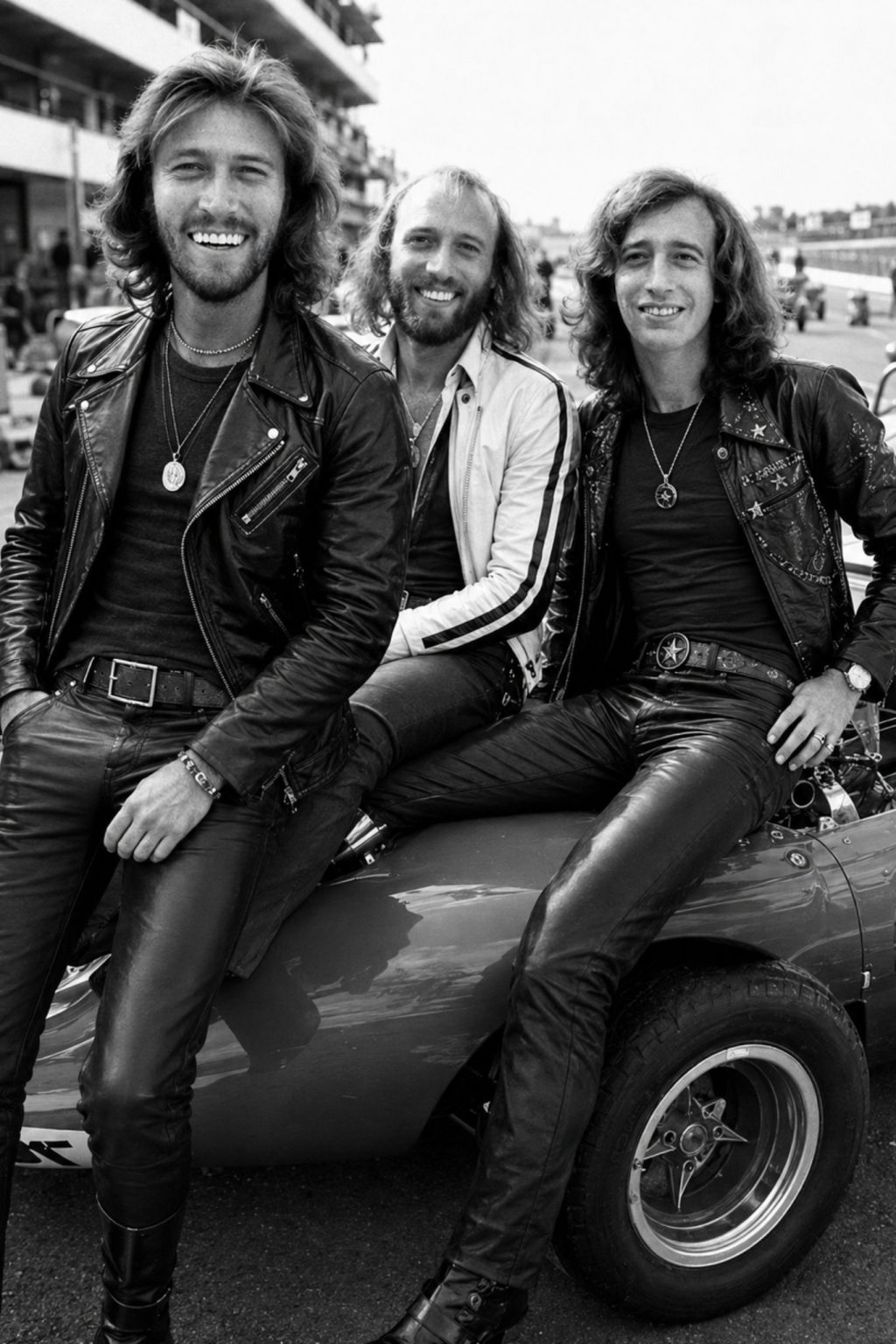
Every legendary musical career contains a forgotten room—a place filled with beautiful work that the wider public somehow passed by. For the Bee Gees, that hidden room may be found within “Living Eyes,” a recording that arrived when the world was no longer prepared to listen fairly. It was not ignored because it lacked beauty, intelligence, or emotional power. It was overshadowed because history had placed Barry, Robin, and Maurice Gibb inside a single, narrow definition, even though their extraordinary musical journey had always been far larger than one era or one style.
Released in 1981 as the title track of the album Living Eyes, the song appeared at one of the most complicated moments in the brothers’ career. Only a few years earlier, the Bee Gees had stood at the center of global popular culture. Their songs dominated radio, filled dance floors, and helped define the sound of the late 1970s. Yet popular taste can change with astonishing speed. By the beginning of the new decade, the movement often described as the disco backlash had become so powerful that many listeners were unwilling to judge the brothers’ new work on its own merits.
The Bee Gees were suddenly facing a strange and unfair problem. Their success had been so enormous that it threatened to obscure the full range of their talent. To casual audiences, they had become permanently associated with soaring vocals, energetic rhythms, and the cultural phenomenon surrounding Saturday Night Fever. That achievement was real and deserved, but it represented only one chapter in a career already filled with reflective ballads, dramatic storytelling, orchestral arrangements, country influences, soul, rock, and sophisticated pop songwriting.
“Living Eyes” offered an answer to anyone willing to listen beyond the headlines. Rather than repeating the formula that had brought them their greatest commercial triumphs, the brothers created a song of remarkable restraint. It unfolds patiently, allowing melody and harmony to take precedence over spectacle. The arrangement does not demand attention through volume or fashionable effects. Instead, it invites the listener inward, building its emotional atmosphere through careful phrasing, elegant instrumentation, and the unmistakable blending of three voices that had been developing together since childhood.

What makes the recording especially rewarding is the maturity heard in every element. Barry Gibb’s voice carries warmth and control, while Robin Gibb’s distinctive emotional tone adds a sense of vulnerability that few singers could reproduce. Maurice Gibb’s musicianship provides the balance and texture that so often gave the Bee Gees’ recordings their quiet strength. Together, they sound neither desperate to reclaim past glory nor anxious to follow a passing trend. They sound like experienced artists trusting the values that had always mattered most to them: melody, craftsmanship, emotional clarity, and brotherly harmony.
There is something almost courageous about that choice. In 1981, the easiest path might have been to imitate the changing sounds around them or to disguise the identity that had once brought them worldwide fame. Instead, the Bee Gees chose to reveal another side of themselves. “Living Eyes” was not a retreat from their past. It was a declaration that their artistic identity could not be reduced to disco. The song reminded careful listeners that long before the white suits, stadium crowds, and cultural arguments, the Gibbs had been serious songwriters with an instinct for melody that crossed generations and musical categories.
The lyrics also contribute to the song’s lasting appeal. They possess the slightly mysterious quality that appears throughout much of the Bee Gees’ finest writing. Rather than explaining every feeling directly, the words leave space for interpretation. They suggest memory, longing, observation, and emotional distance without forcing the listener toward one simple conclusion. That openness allows the song to grow more meaningful with time, particularly for older listeners who understand that the most powerful emotions are not always the easiest to define.
There are recordings that impress immediately, and there are recordings that reveal themselves slowly. “Living Eyes” belongs to the second category. Its beauty does not depend upon a dramatic opening or an instantly familiar chorus. It rewards patience. With each return, a different detail becomes noticeable—the subtle change in harmony, the careful placement of an instrument, the way one brother’s voice seems to rise from inside another’s line. This is music designed not merely to be heard once, but to become part of a listener’s private world.
:max_bytes(150000):strip_icc()/Barry-Gibb-46th-Annual-Kennedy-Center-Honors-2023-052626-ef75dc6bbd8343dbb00e14abf1789383.jpg)
That may explain why devoted Bee Gees admirers often speak of the song with such affection. For them, rediscovering Living Eyes feels almost like recovering a missing chapter from a beloved family history. The album did not receive the attention given to Main Course, Children of the World, or Spirits Having Flown, yet its relative commercial disappointment does not diminish its artistic importance. In some ways, the lack of overwhelming publicity has made it feel more personal—a record shared quietly among listeners who recognize its refinement.
Of course, the Bee Gees’ catalog contains many overlooked treasures. Some fans point to the grand ambition of “Odessa,” while others champion the tenderness of “Run to Me.” Many admire the dramatic emotion of “For Whom the Bell Tolls,” the elegance of “Spirits (Having Flown),” or lesser-known album tracks that never received the promotion their quality deserved. There may never be complete agreement about which recording deserves the title of the group’s greatest hidden masterpiece.
That disagreement is not a weakness. It is evidence of the astonishing breadth of the brothers’ work. Few groups moved so naturally between intimate ballads, orchestral pop, rhythmic soul, country-inspired storytelling, rock, and dance music. Fewer still wrote successfully not only for themselves but also for other major performers. The Bee Gees’ public image may have been shaped by several unforgettable years, but their artistry cannot be understood through those years alone.

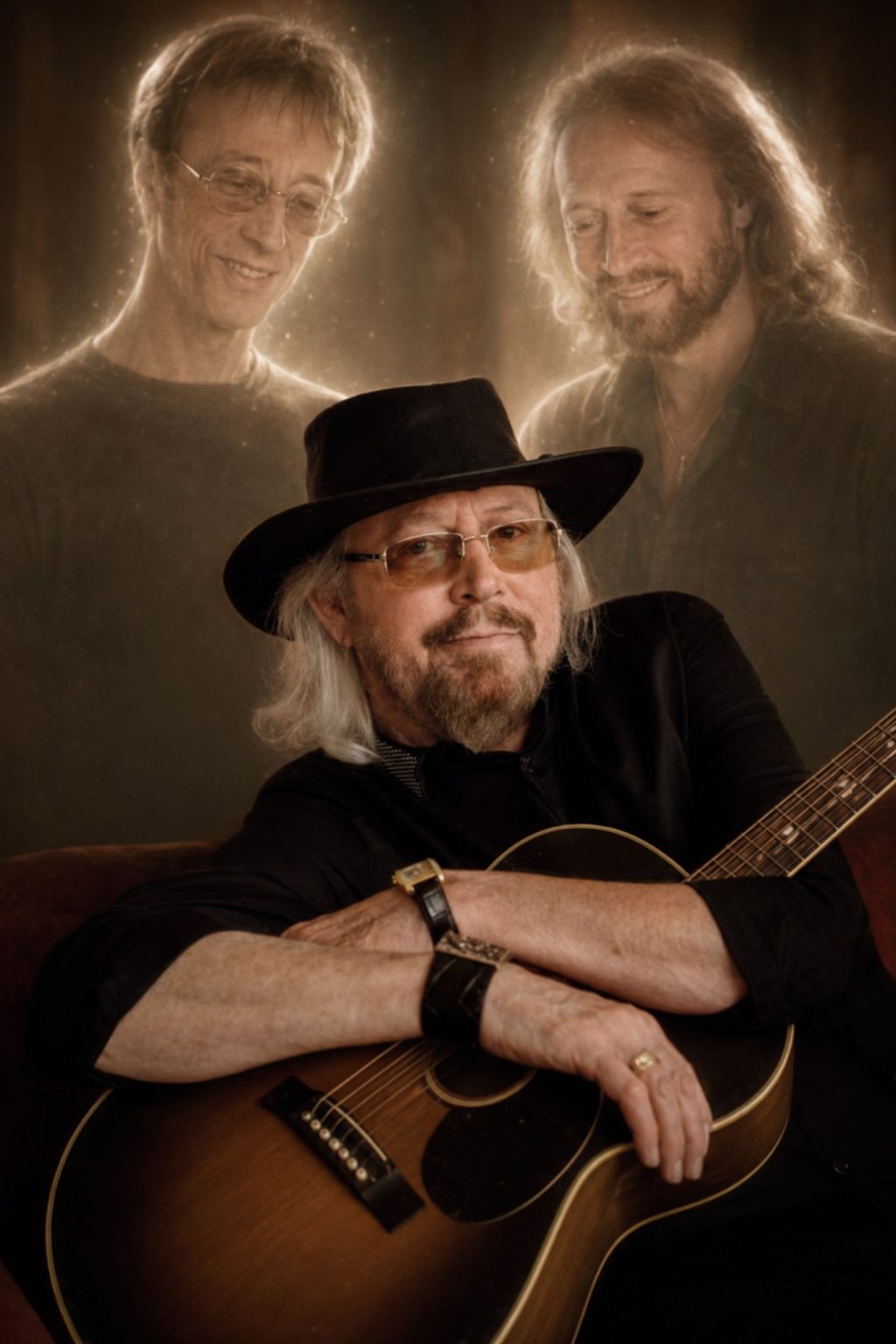
Listening to “Living Eyes” today also carries an added emotional weight because the three brothers can no longer stand together and perform it. Maurice died in 2003, and Robin followed in 2012, leaving Barry as the surviving guardian of their shared musical history. Every recording featuring all three voices has therefore become more than an artifact of a career. It is a preserved moment of brotherhood—a place where their personalities, instincts, and creative bond remain permanently alive.
Perhaps this is why some fans find themselves unexpectedly moved when the song returns. They are not simply hearing a forgotten track from 1981. They are hearing three brothers at a crossroads, creating music with dignity while the culture around them turned away. They are hearing artists refuse to abandon their own standards, even when commercial success was no longer assured. Most of all, they are hearing a harmony that time has made impossible to recreate but powerless to erase.
The real surprise is not that “Living Eyes” failed to become one of the Bee Gees’ most famous songs. Popular history is filled with remarkable works that arrived at the wrong moment. The greater surprise is how modern, graceful, and emotionally complete the recording still sounds decades later. Freed from the expectations and arguments of 1981, it can finally be heard for what it always was: a carefully crafted song by three musicians whose gifts extended far beyond the image the world had created for them.
“Living Eyes” may not have been the Bee Gees’ greatest commercial victory, but it remains one of their most revealing artistic statements. It captures Barry, Robin, and Maurice not as symbols of a passing era, but as mature songwriters confident in the enduring power of melody and harmony. The masterpiece was never truly lost. It was simply waiting for the noise around it to fade—and for listeners to discover that some of the most unforgettable music is found not at the center of the spotlight, but in the quiet corners history almost left behind.