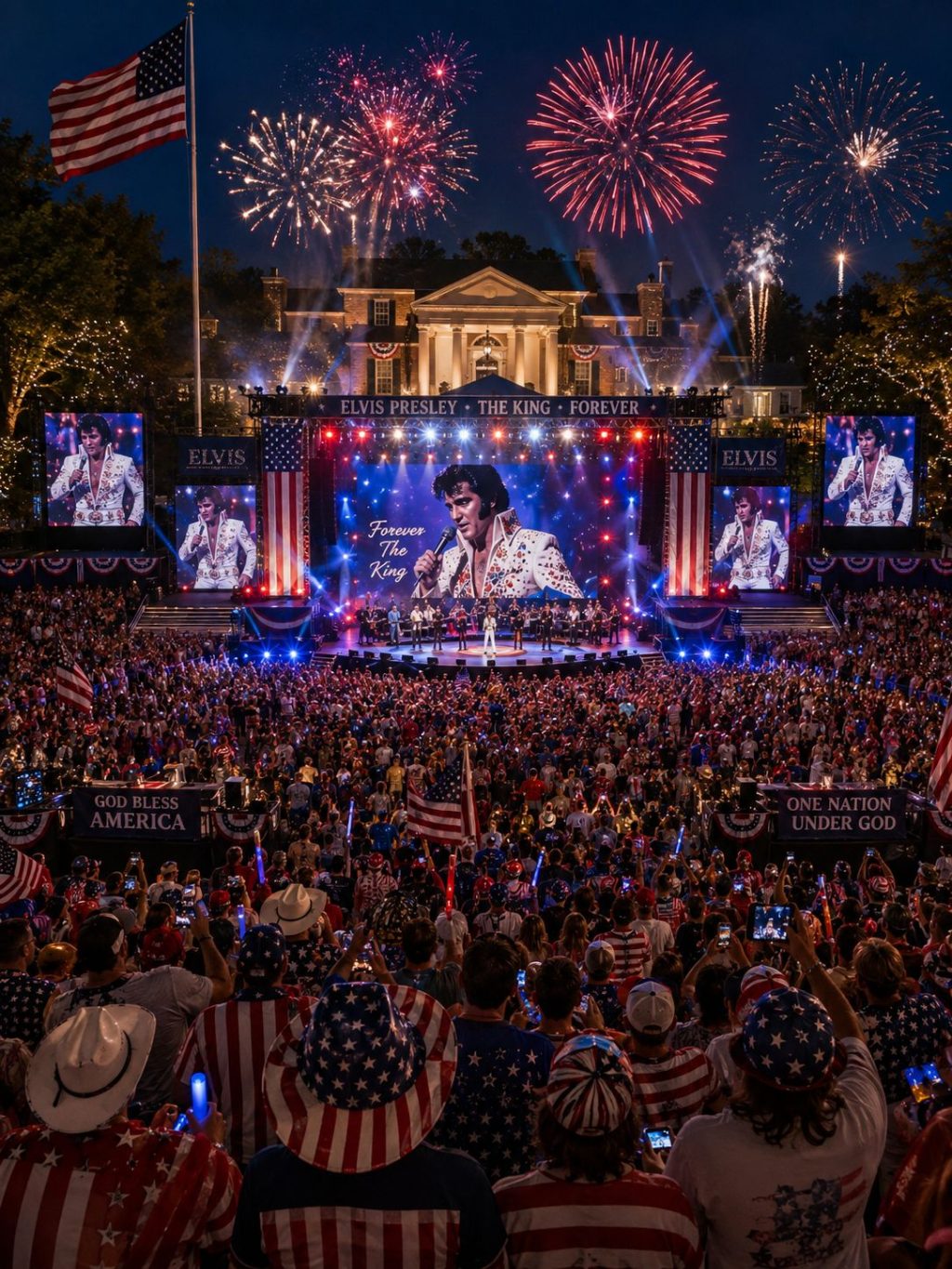
THE SONG THAT MADE RANDY TRAVIS THE MOST TRADITIONAL VOICE OF HIS GENERATION WAS WRITTEN FOR ANOTHER MAN, AND IT FAILED THE FIRST TIME HE SANG IT.
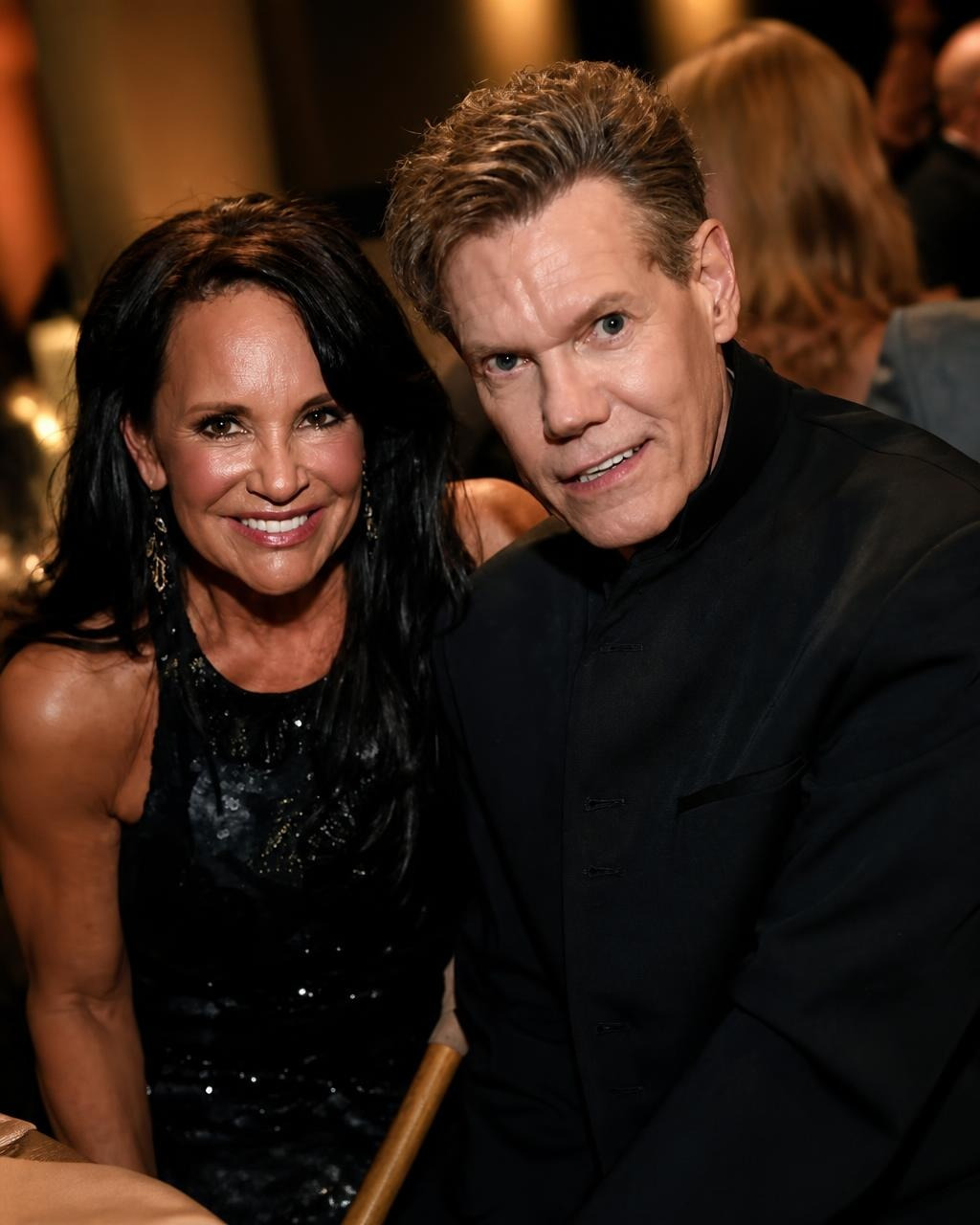
There are country songs that arrive like promises, and there are songs that have to fail before the world understands them. Randy Travis had one of the second kind. The song was “On the Other Hand,” written by Paul Overstreet and Don Schlitz, and it was never supposed to define Randy Travis. It was aimed at Dan Seals, and even Paul Overstreet was ready to keep it for himself. But the hook landed fast, the kind of line that feels like it was waiting in the air all along.
Paul Overstreet and Don Schlitz were supposedly working on another song called “Greedy Heart” when Don Schlitz started tossing out stray phrases. One of them was “on the other hand.” Paul Overstreet answered with the line about the golden band, and suddenly the whole song came together before lunch. That kind of writing can feel casual in the moment, but it is usually the work of two people who know exactly where a story is headed.
Producer Kyle Lehning heard it differently. He did not hear a Dan Seals record. He heard a new singer with an old soul: Randy Travis. That instinct mattered, because Randy Travis had a voice that seemed to slow time down. He did not sing like he was chasing radio trends. He sang like he had lived inside the words for years.
A First Release That Went Nowhere
Still, the first release of “On the Other Hand” did not catch fire. Randy Travis recorded it on January 30, 1985, and Warner Bros. released it that July. It stalled at number 67 on the country chart, spending twelve weeks there without turning into the breakthrough anyone hoped for. Keith Whitley had already recorded the song too, which only added to the feeling that the tune belonged to the Nashville circle long before it belonged to Randy Travis.
Then “1982” changed everything. When that song climbed to number 6, the label looked back at “On the Other Hand” and decided to try again. In April 1986, they reissued the single. This time, the public heard something different. By July 26, it had reached number one, becoming the first of sixteen chart-toppers for Randy Travis.
Country’s steadiest voice did not arrive with a brand-new anthem. He arrived with a second chance.
Why It Matters
What makes this story linger is not just the comeback, but the way it fits Randy Travis’s whole image. He became one of the most traditional voices of his generation because he sounded unforced, patient, and honest. “On the Other Hand” had that same quality. It was a simple song about loyalty and temptation, but in Randy Travis’s hands, it felt like a personal vow.
That is the quiet miracle of country music at its best: sometimes the song that nearly disappears is the one that finally reveals the artist. Randy Travis did not need a novelty hit to become memorable. He needed a song with enough truth to survive a failure, a reissue, and a second listening.
And in the end, that was the real beginning. Not a polished launch. Not a perfect first impression. Just a year-old song that had already been passed around, overlooked, and doubted, until Randy Travis sang it again and turned it into history.