HIS FATHER HAD A RULE ABOUT RACE IN THAT HOUSE.
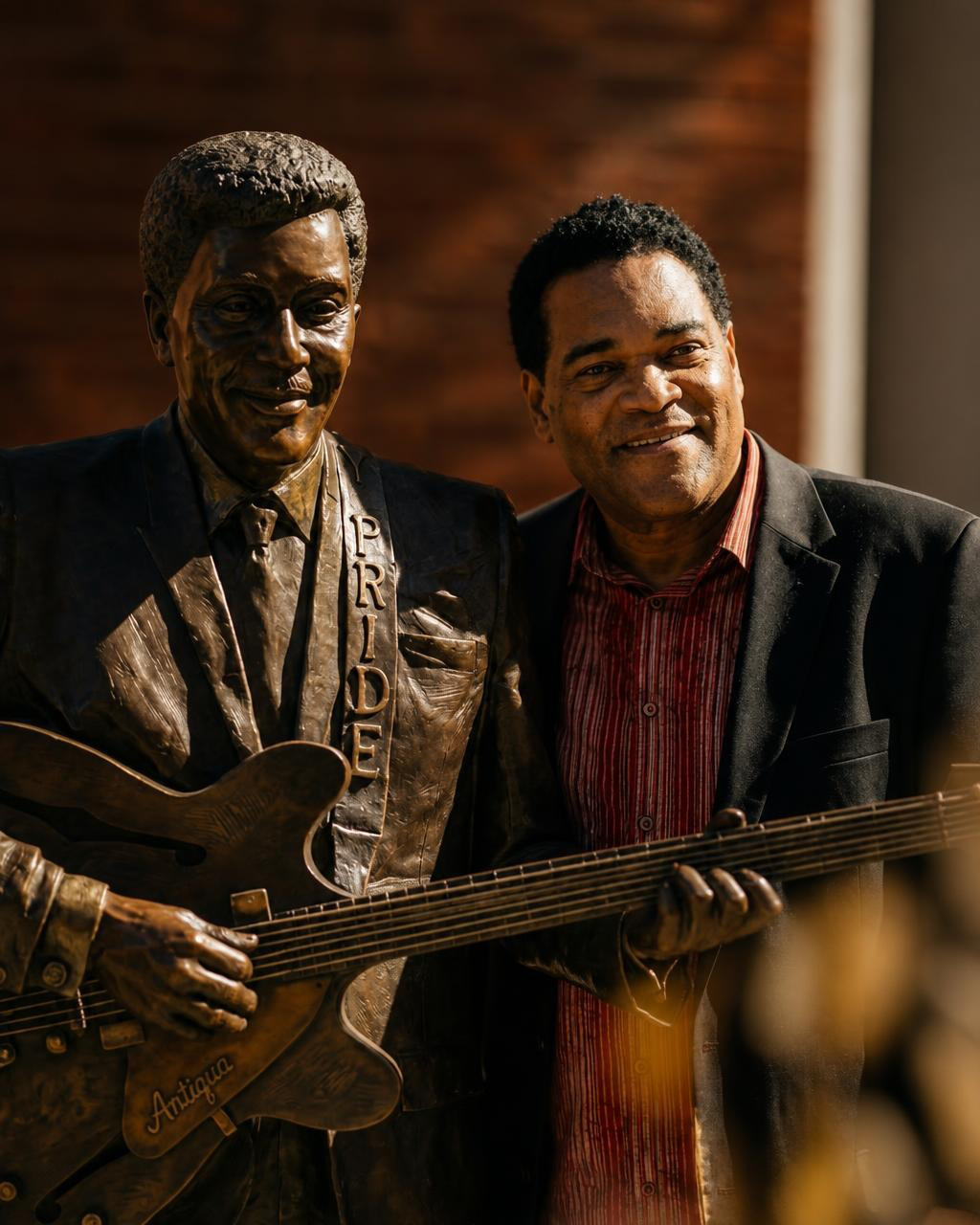
Charley Pride did not leave his children guessing about what was allowed in his house. According to Dion Pride, there was one rule that cut straight through everything else: if anyone ever used race as the reason they did or did not get something, they were done. No debate. No warning. They would be out.
That was the lesson Charley Pride passed down, and it was more than a sermon about toughness. It was a boundary, and it was backed by action. In that home, race could not be used as an excuse, and it could not be turned into a shield.
Dion Pride grew up close to that standard. For more than twenty years, he worked inside his father’s touring operation, playing keyboards and guitar in the road band and sometimes opening the show. Night after night, Dion Pride watched Charley Pride do the work up close. Not from the crowd. Not from a distance. From a few feet away.
That kind of life can blur the line between family and business, but Dion Pride seems to have understood both sides clearly. He did not try to become a copy of Charley Pride. When someone once told him he did not sound like his father, Dion Pride answered honestly: he was not trying to. To imitate Charley Pride, he felt, would have been dishonest. It would also have missed the point. Charley Pride was not replaceable, and Dion Pride knew it.
He has described his father’s career as something that could only have happened in a very specific moment in American history, during the civil rights era, when the country was changing and country music was changing with it. In that sense, Charley Pride was one of one.
“He came up in a perfect storm,” Dion Pride said of Charley Pride, recognizing that the conditions that shaped his father’s rise could not simply be repeated.
When Charley Pride died in December 2020, he left behind more than memories. He also left an unfinished album. Dion Pride went to Nashville and finished it, helping bring the project across the finish line after his father’s death. For Dion Pride, that work carried more than professional meaning. It was a final act of care inside a family built on discipline, music, and high standards.
For most of his working life, Dion Pride was the man who opened for Charley Pride. That role says a lot about their relationship. He was part of the show, but he was also part of the house. And when the time came, he became the one who could close the show.
In the end, that feels like the quiet power of the Pride story. Not just fame, not just legacy, but a father who drew a hard line against excuses, and a son who honored that lesson by telling the truth, doing the work, and carrying the music forward.